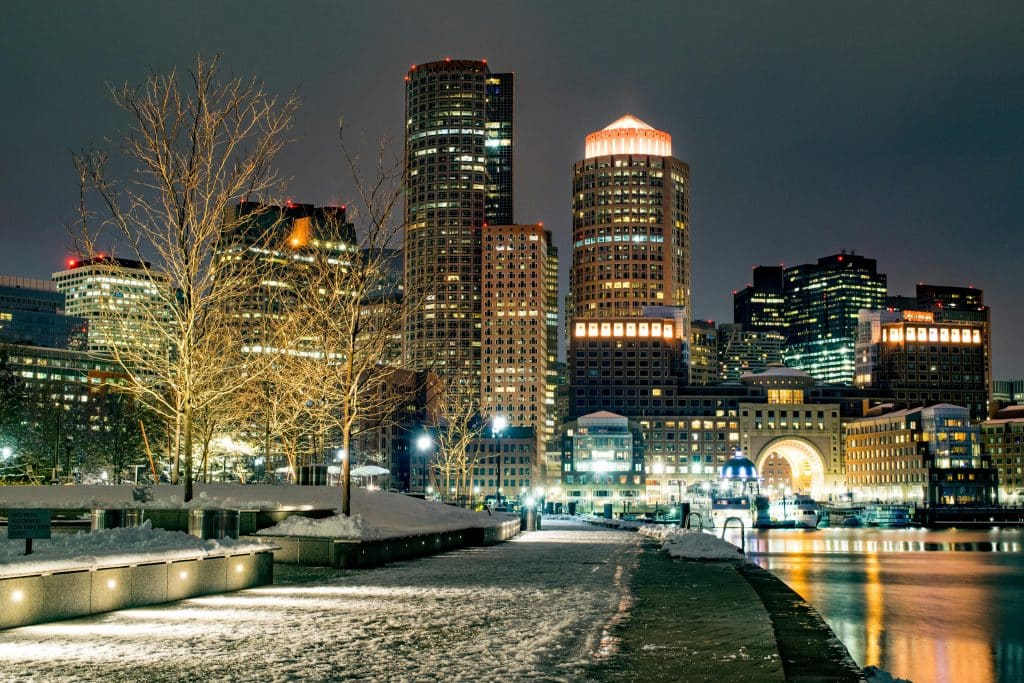
While the future of federal incentives for solar remains uncertain under the new Trump administration, lawmakers in Massachusetts have proposed two bills designed to drastically reduce red tape and costs associated with renewable energy. For homeowners on the South Coast, Boston’s legislative momentum further increases the appeal of residential solar. In this article, we’ll take a closer look at these two transformative bills.
Bill SD.2488: An Act Facilitating Distributed Energy Resources in the Commonwealth
This first bill, SD.2488, introduced by Massachusetts State Senator Jamie Elbridge, aims to simplify and accelerate the adoption of residential solar. Key points include:
- Automated Solar Permitting: Municipalities must adopt a digital platform to process residential solar permits by July 1, 2027. Automated permitting expedites plan review and approval, allows digital payments, and enables instant approvals for code-compliant applications. If the review process lags, permits are automatically approved after five business days.
- Interconnection Reforms: Utility companies are prohibited from charging study or transformer fees for behind-the-meter simplified interconnection applications on systems under 25 kW AC. This reform eliminates extra costs for small-scale residential solar projects connecting to the grid.
- Tax Incentives: SD.2488 introduces a tax credit for solar installations, making solar more affordable for homeowners.
Bill HD.4155: An Act Maximizing and Optimizing Small-Scale Assets in Communities
The second bill, HD.4155, introduced by Massachusetts State Representative Jack Patrick Lewis, lays out an ambitious framework to further integrate Distributed Energy Resources (DERs) into the state’s energy systems. Key elements include:
- DER Adoption Target: By December 31, 2035, 20% of the state’s total electricity demand must be met by DERs, including solar panels, batteries, and other emission-free technologies.
- Virtual Power Plant (VPP) Programs: Utilities must implement VPP programs, coordinating customer-owned DER systems to reduce peak demand and bolster grid reliability. A VPP system connects and manages various distributed energy resources—rooftop solar panels, home batteries, and electric vehicles—so they function as a single power source. In real-time, a VPP can store excess solar power when demand is low and supply it back to the grid during peak hours. This helps stabilize the electricity system, reduces reliance on fossil fuels, and provides financial benefits to participants who are compensated for contributing stored energy.
- Equity Provisions: DERs’ financial and environmental benefits must be distributed fairly across all communities, with a focus on historically disadvantaged areas.
Synergies Between the Bills

Together, these proposals create a cohesive strategy to accelerate residential solar adoption across Massachusetts:
- Simplified Processes: SD.2488’s automated permitting and interconnection reforms remove bureaucratic obstacles, making solar installation faster and more accessible for homeowners.
- Financial Incentives: SD.2488 offers tax credits, while HD.4155 includes compensation for homeowners who participate in VPP programs.
- Grid Integration: HD.4155’s emphasis on VPP programs complements SD.2488’s interconnection reforms to create a well-structured approach for integrating residential solar into the grid, improving grid stability and efficiency.
What This Means for South Coast Homeowners
For South Coast residents, these bills promise tangible benefits:
- Faster Installation: Automated permitting should accelerate the approval timeline for new installations.
- Lower Costs: Eliminating certain interconnection fees and offering tax credits will reduce upfront expenses for solar adopters.
- New Income Opportunities: Homeowners who opt into VPP programs can be compensated for their energy generation and storage, providing an additional revenue stream.
Looking Ahead
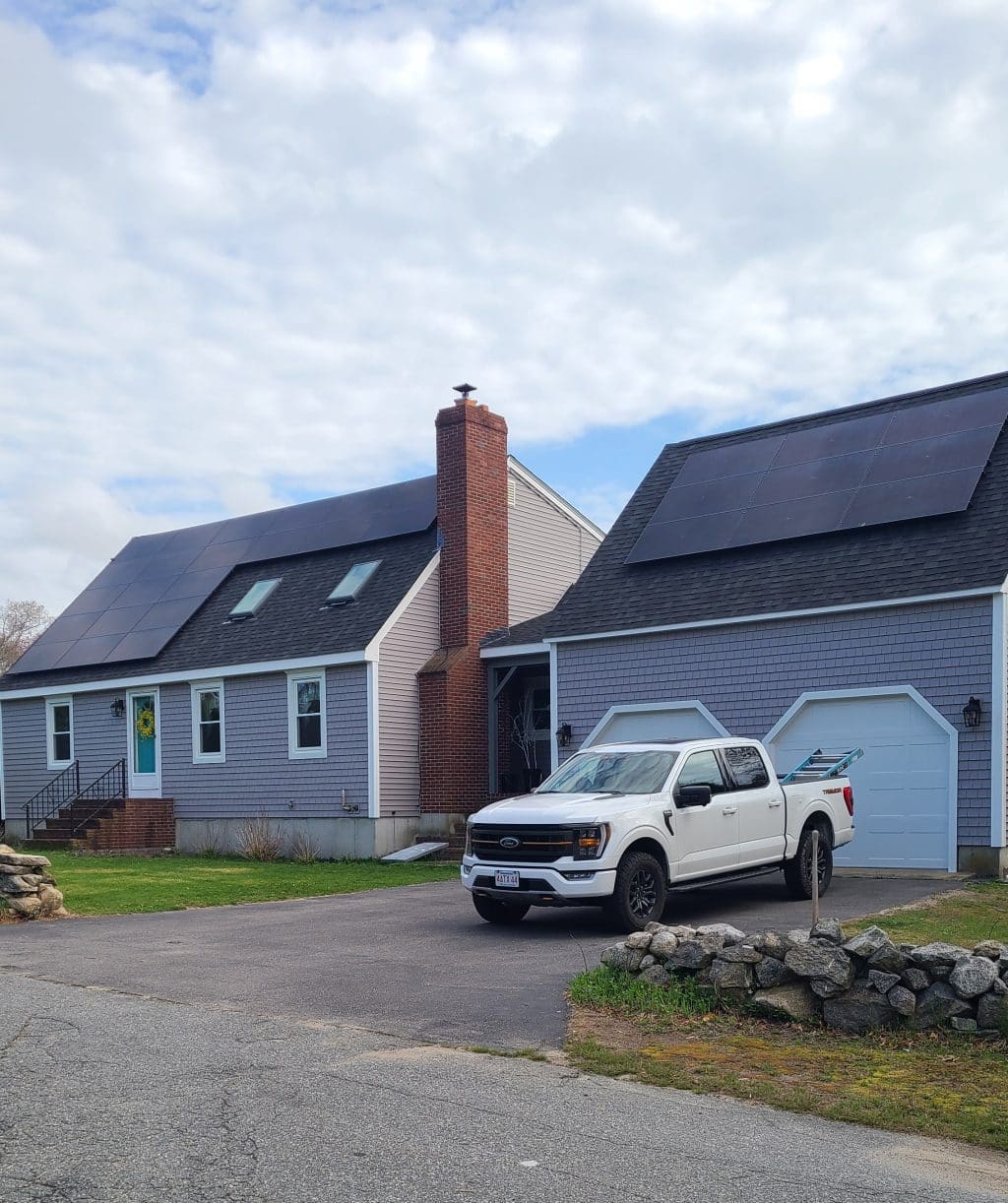
As these bills progress, Whaling City Solar remains dedicated to keeping South Coast homeowners informed about opportunities to go solar. The renewable energy landscape is constantly evolving, and these initiatives only make residential solar more attractive and accessible for our neighbors.
Interested in solar for your home without the high-pressure sales pitch? Contact us today for a free quote or call us at 508-203-6966.