
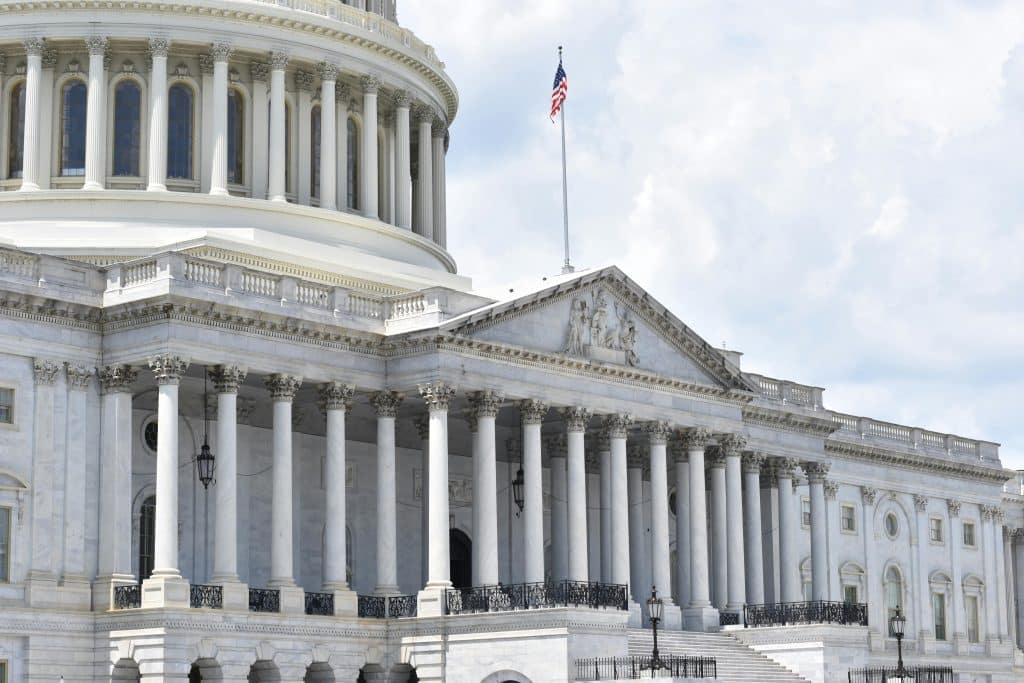
It is a fact that today’s Washington DC doesn’t like solar power. We are now beginning to see that it might mean we lose the solar power tax credit.
The House of Representatives budget “Reconciliation Bill”, led by Republicans and dubbed the “One Big Beautiful Bill” by President Trump, passed by a narrow margin. It includes provisions that would significantly impact the future of residential solar in the United States. If enacted, the bill would end the Federal Residential Solar Tax Credit for all new residential solar power installations, whether owned by the homeowner or leased through third-party providers. By removing these incentives across the board, the bill could slow the adoption of residential solar by reducing financial viability for both homeowners and installers.
For a homeowner, this means that the price of a solar power system effectively increases by 30%. We say “effectively” because it isn’t exactly a price increase – but for most of us it is. The change is that the 30% tax credit you would get against your federal taxes now goes away. And while the out of pocket dollar amount stays exactly the same, the payback period goes up by a few years.
What this means for you is that you need to have the solar power system installed and connected to the power grid before January 1, 2026 to qualify for the tax credit.
In addition to eliminating the residential credit, the bill would also shorten the timeline for clean energy projects to qualify for other federal tax benefits, making it harder for developers to plan and execute new installations. President Trump and House Republicans have expressed concerns about foreign involvement in U.S. energy infrastructure. While nuclear energy projects would retain extended access to tax credits under the bill, residential solar does not receive similar protections. The proposal has sparked concern across the clean energy sector, with many experts warning that the changes could hinder progress in renewable energy adoption and make solar energy less accessible for households nationwide. Critics of these changes argue that potentially kneecapping the residential solar industry contradicts the Republican Party’s long-standing support for energy security, domestic manufacturing, and blue-collar jobs.
What Does This Mean For You?
It should be noted that the bill still needs to pass in the Senate to take effect. If it does, residential Solar projects started in 2025 will still be eligible for the 30% Residential Solar Tax Credit. If this tax credit is a deciding factor in whether one wants to go solar, it may be a strategic move to go solar before the end of 2025. Interested in going solar before the bill is enacted? Contact us or call 508-203-6966 for a free consultation today.